
Why Your Gut Health Is Poor and How Ghessi Functional Medicine Can Help
A noisy stomach, bloating after meals, irregular bowel habits, reflux, or a constant “off” feeling can make daily life harder than it should be. These symptoms may seem random, but they often point to patterns in food, stress, sleep, movement, and the way the body handles inflammation.
Your digestive system does more than break down food. It helps absorb nutrients, supports immune function, and communicates with the brain through the gut-brain connection. When Gut Health suffers, the effects can show up as discomfort, fatigue, food reactions, skin changes, or mood shifts.
This article is for informational purposes only and does not replace medical care. Persistent or severe symptoms should be evaluated by a qualified health professional.

Why poor gut health happens
Gut problems rarely come from one single cause. More often, they build over time. A stressful month leads to poor sleep. Poor sleep leads to cravings. Fast meals replace fiber-rich foods. Digestion slows down or speeds up. Then symptoms become part of the routine.
Common signs that the gut may need support include:
Frequent bloating or gas
Constipation or diarrhea
Reflux or indigestion
Feeling overly full after small meals
Food sensitivities or unpredictable reactions
Low energy after eating
Brain fog or mood changes tied to meals
These symptoms do not always mean something serious is happening, but they are worth paying attention to, especially when they keep coming back.
Diet is one of the biggest drivers
Food feeds the body, but it also feeds the gut microbiome. That microbiome is the community of bacteria and other organisms that live in the digestive tract. A diverse, balanced microbiome is linked with better digestion and immune support.
A diet that is low in fiber and high in heavily processed foods can make the gut less resilient. Common triggers include:
Sugary snacks and drinks
Fried or greasy foods
Low intake of vegetables, beans, fruit, nuts, and seeds
Excess alcohol
Large amounts of artificial sweeteners for some people
Eating too fast or eating while distracted
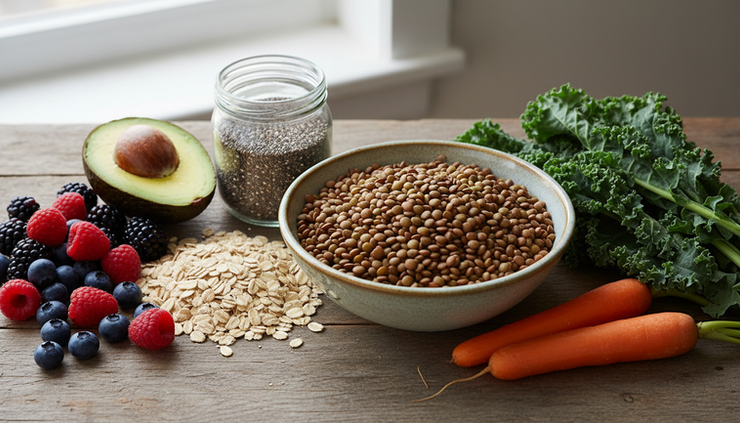
Fiber is especially important because beneficial gut bacteria use it as fuel. Many people do not get enough fiber from whole foods. Adding it too quickly can cause more bloating, so gradual changes usually work better.
Simple place to start: add one fiber-rich food each day, such as berries, chia seeds, lentils, oats, avocado, or cooked vegetables.
Stress can change digestion
The gut and brain are in constant communication. That is why nerves can cause nausea, stress can trigger stomach pain, and anxiety can change bowel habits.
When the body stays in a stress response, digestion may become less efficient. Some people feel constipated. Others feel urgency or loose stools. Stress can also increase muscle tension, affect appetite, and make the gut more sensitive.
This does not mean symptoms are “all in your head.” It means the nervous system plays a real role in digestion.
Helpful stress-support habits include:
Taking slow breaths before meals
Eating away from screens when possible
Walking after meals
Keeping a regular sleep schedule
Limiting caffeine if it worsens anxiety or reflux
Practicing gentle stretching or meditation
Even one calm minute before eating can help shift the body toward a more digestive state.
Lifestyle habits can keep the gut irritated
Food and stress matter, but daily routines matter too. The gut tends to do best with consistency.
Poor sleep can affect hunger hormones, cravings, blood sugar balance, and inflammation. Too little movement can slow digestion. Skipping meals all day then eating a large dinner can worsen reflux and bloating. Frequent antibiotic use or drug use will also affect the microbiome and often time causes gut problems for many people.
Common lifestyle patterns that may worsen symptoms include:
Going to bed late most nights
Eating large meals close to bedtime
Sitting for long periods
Not drinking enough water
Ignoring the urge to have a bowel movement
Using medications that affect digestion without follow-up guidance
Small changes are often more sustainable than strict plans. A 10-minute walk after dinner, a steadier bedtime, and better hydration can make a noticeable difference for some people.

How Ghessi Functional Medicine looks at the whole picture
Ghessi Functional Medicine takes a holistic approach to digestive concerns. Instead of focusing only on symptom relief, functional medicine looks for patterns that may be contributing to the problem.
That may include nutrition, stress, sleep, hormone balance, nutrient status, inflammation, medications, health history, and environmental exposures. The goal is to understand why symptoms developed and what support the body needs to function better.
For people in and around Berks County who are searching for stomach and digestive support, Ghessi Functional Medicine can offer a more personalized path. Those searching for Fucntional Medicine in Fleetwood may be looking for this type of whole-person care close to home.
A functional medicine visit may explore questions such as:
Which foods seem to trigger symptoms?
Are bowel habits consistent or unpredictable?
Is stress making symptoms worse?
Are there signs of poor nutrient absorption?
Has antibiotic use or illness changed digestion?
Is sleep helping the body recover?
Testing may be recommended when appropriate, but the foundation is still the full story. Symptoms matter. Timing matters. Lifestyle matters.
Practical ways to start improving digestion
A healthier gut usually comes from repeatable habits, not extreme restriction. These steps are simple enough to begin without overhauling everything at once.
Eat more whole foods
Build meals around vegetables, quality protein, healthy fats, and slow-digesting carbohydrates. Cooked vegetables may be easier to tolerate than raw foods for sensitive stomachs.
Chew slowly
Digestion begins in the mouth. Slower eating can reduce swallowed air and give the body time to release digestive enzymes.
Hydrate consistently
Water supports bowel regularity. People who increase fiber should also increase fluids.
Add fermented foods carefully
Yogurt with live cultures, kefir, sauerkraut, kimchi, and miso may support microbial diversity. Start small, since fermented foods can bother some sensitive guts.
Track symptoms without obsessing
A short food and symptom journal can reveal patterns. Include meals, stress, sleep, bowel habits, and timing of symptoms.
Avoid unnecessary restriction
Cutting out too many foods can lower nutrient intake and make eating stressful. A guided plan is safer and easier to maintain.

Functional medicine can support lasting change
Many people try random supplements, strict diets, or short-term cleanses when their gut feels off. Sometimes they feel better for a few days, then symptoms return.
Functional Medicine with Dr. Ghessi can help by creating a plan that fits the person, not just the symptom. That plan may include nutrition changes, targeted supplementation when appropriate, stress support, sleep strategies, and follow visits to address progress and next steps.
Poor gut health can feel confusing, but it is often a message from the body. When symptoms persist, a holistic, personalized approach can help uncover what your gut has been trying to say. There is a better way than another drug or invasive test. Let Ghessi Functional Medicine help you break the pattern of gut problems in a healthy and sustaiable way.
Set up your consulation by calling the office at 484-641-3192.




Comments