
Low Male Hormones Symptoms and Natural Ways to Boost Testosterone
Low male hormones can show up quietly at first. Energy drops. Workouts feel harder. Sex drive changes. Mood feels flatter than usual. Many men write it off as stress or aging, but hormones can play a real role.
Testosterone is the main male sex hormone, though everyone has some. In men, it helps support muscle mass, bone strength, red blood cell production, libido, sperm production, motivation, and overall vitality. Levels naturally shift through life, and they can also dip because of poor sleep, excess body fat, illness, certain medications, heavy alcohol use, or long-term stress.

Common symptoms of low male hormones
Low testosterone does not feel the same for everyone. Some symptoms are obvious, while others are easy to miss or blame on a busy schedule.
Common signs may include:
Lower sex drive
Fewer morning erections
Erectile difficulties
Fatigue that does not improve with rest
Loss of muscle or strength
More belly fat
Low mood or irritability
Trouble focusing
Poor sleep
Lower motivation
Reduced beard or body hair growth
Lower bone density over time
A single symptom does not prove low testosterone. For example, low energy can come from sleep apnea, thyroid problems, depression, anemia, or diabetes. That is why guessing is risky.
The most useful step is testing. Testosterone is usually checked with a morning blood test because levels tend to be highest earlier in the day. A clinician may also look at free testosterone, luteinizing hormone, prolactin, thyroid markers, blood sugar, and other labs depending on the situation. In our office, Dr. Ghessi will evaluate the signs and symptoms, as well as order a male hormone panel to evaluate a patient's current levels.
Why male hormones can drop
Testosterone often declines gradually with age, but age is not the only reason. Lifestyle and health conditions can push levels lower than expected.
Poor sleep is one of the biggest factors. Testosterone production is tied to deep, steady sleep. If sleep is short, broken, or affected by sleep apnea, hormone levels may suffer.
Body composition also matters. Higher levels of visceral fat, the fat around the belly and organs, can disrupt hormone balance. At the same time, low testosterone can make it harder to build muscle and manage fat, creating a frustrating cycle.
Other common contributors include:
Heavy alcohol use
Very low-calorie dieting
Long-term stress
Lack of strength training
Certain opioids, steroids, or other medications
Chronic illness
Testicular injury or pituitary issues
Some causes need medical treatment. Natural habits can help support healthy testosterone, but they cannot fix every hormone problem.
Natural ways to support healthy testosterone
Natural steps work best when they address the basics: sleep, strength, nutrition, body fat, and stress. They are not quick fixes, but they can make a meaningful difference over time.
Prioritize sleep first
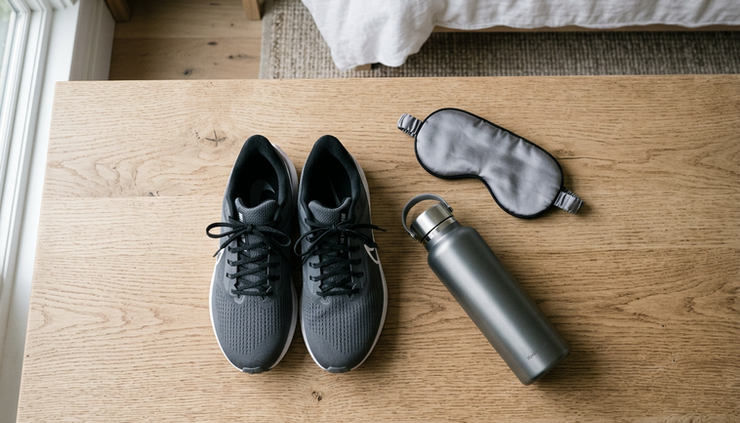
Sleep is the foundation. Aim for a consistent schedule and enough time in bed to wake up restored. A dark, cool room helps. So does avoiding alcohol close to bedtime.
If snoring, gasping, morning headaches, or daytime sleepiness are common, ask about sleep apnea. Treating poor sleep can improve energy, mood, and overall health.
Lift weights several times a week
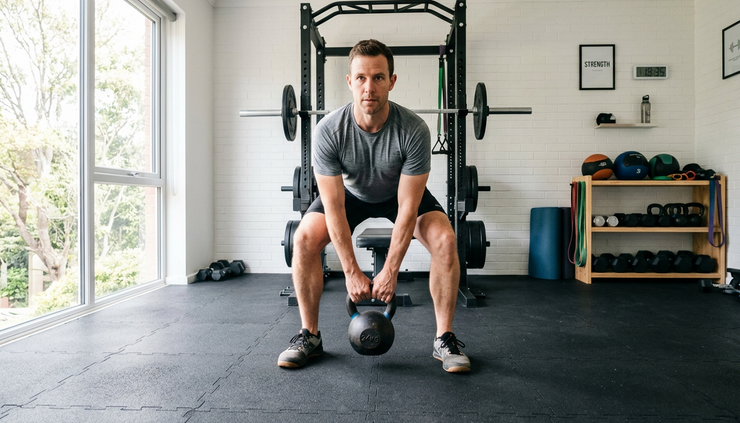
Strength training sends a clear signal to the body to maintain muscle. Big movements such as squats, deadlifts, rows, presses, lunges, and carries are useful because they train large muscle groups.
Start where fitness level allows. Two or three full-body sessions per week can be enough for progress. Add walking or light cardio on other days to support heart health and weight management.
Eat enough protein and healthy fats
Extreme dieting can work against hormone health. The body needs enough calories, protein, vitamins, minerals, and fats to produce hormones normally.
Good choices include:
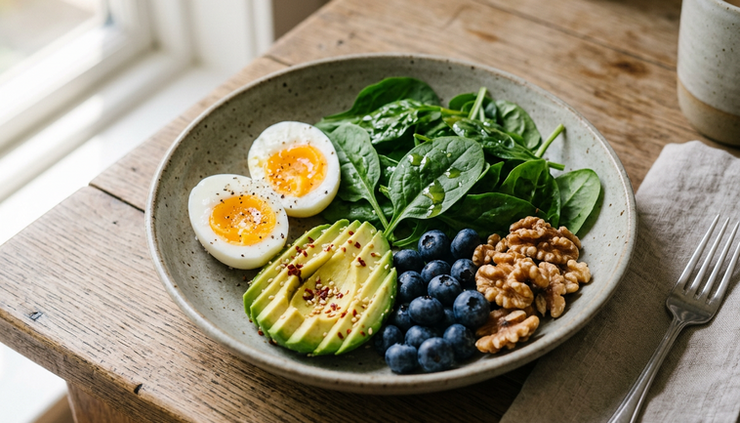
Eggs, fish, lean meat, Greek yogurt, beans, or tofu for protein
Olive oil, avocado, nuts, seeds, and fatty fish for healthy fats
Whole grains, potatoes, fruit, and vegetables for training fuel
Zinc-rich foods such as oysters, beef, pumpkin seeds, and legumes
Magnesium-rich foods such as spinach, almonds, black beans, and dark chocolate
Vitamin D may also play a role. Sunlight, fortified foods, and supplements can help, but testing is the best way to know if levels are low.
Manage stress before it manages hormones
Long-term stress can raise cortisol and interfere with recovery. That does not mean stress must disappear. It means the body needs regular signals of safety and rest.
Simple tools work well:
Ten minutes of slow breathing
A daily walk outside
Time away from screens before bed
Prayer, meditation, or journaling
Talking with a trusted friend or therapist
Consistency matters more than complexity.
What to avoid when trying to boost testosterone
Some products promise fast results, but many testosterone boosters have weak evidence. Some may also contain hidden ingredients or interact with medications. Be careful with pills, powders, or “hormone hacks” that claim dramatic changes.
Avoid these common mistakes:
Overtraining without recovery
Crash dieting
Drinking heavily on weekends
Sleeping five or six hours and expecting normal energy
Taking testosterone without medical supervision
Ignoring symptoms like erectile dysfunction, depression, or severe fatigue
The practical takeaway
Low male hormones can affect sex drive, energy, mood, muscle, body fat, and sleep. The right starting point is not guessing. It is noticing patterns, getting tested, and looking for root causes.
For many men, the strongest natural plan is simple: sleep better, lift weights, eat enough real food, reduce excess alcohol, manage stress, and address body fat in a steady way. These habits support testosterone while improving overall health at the same time.
If symptoms last more than a few weeks or feel out of character, schedule an evaluation with Dr. Ghessi. From there he can provide a clear plan and blueprint to boost your hormone levels in safe and natural means. A clear diagnosis can save months of frustration and point to the safest path forward. Getting your energy and performance back isn't as hard as it seems!
To schedule a complimentary consultation give the office a call at 484-641-3192.




Comments